Reading the water: why some days at Niagara soak you more than others
The falls are not the same on every date. Flow, wind and hydroelectric diversion all change what the boat ride is like, and none of it appears on a booking page.
 By Michael Thompson, Niagara Falls boat tour specialist and local guide
Two people ride the same boat in the same week and come back with different accounts. One was soaked to the skin, the other stayed reasonably comfortable. Neither is exaggerating, and the difference is upstream.
A guided package is useful when you want the surrounding attractions and logistics as well as a boat ride; it is a different purchase from a boat-only ticket.
Booking choice. Maid of the Mist, Cave of the Winds and the Observation Tower in one guided American-side itinerary. Explore USA boat, Cave & hotel pickup
The falls are not a constant
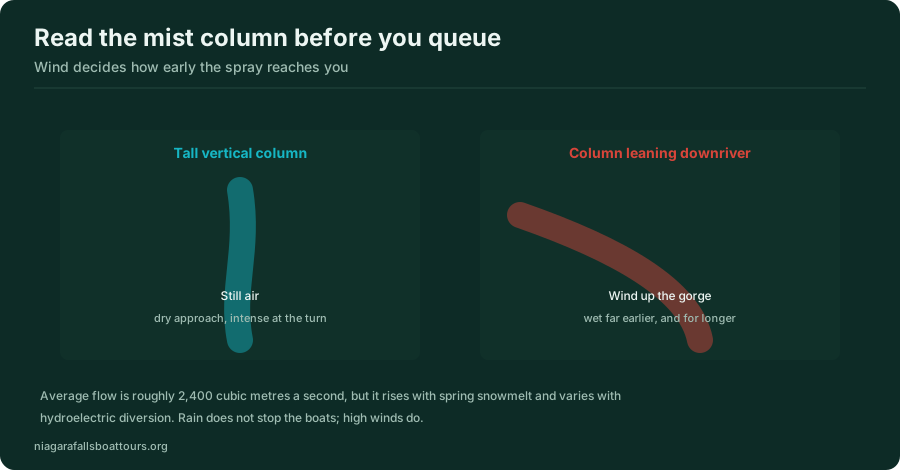
Niagara has an average flow of roughly 2,400 cubic metres a second, about 85,000 cubic feet, which is the figure everyone quotes. Averages hide the interesting part.
Three things move that number and the character of what comes off it.
Season. Spring snowmelt across the Great Lakes basin puts visibly more water over the crestline in May and June than a quiet October evening carries.
Wind. This is the one that decides how wet you get. The spray in the basin does not fall, it circulates, and wind direction determines how far it carries up the gorge. On a still day the transit is comfortable and the soaking starts at the turn. On a windy day it starts several minutes earlier.
Diversion. Both countries take water from the upper river for hydroelectric generation under a long-standing treaty arrangement, and the amount diverted varies by season and by time of day, with more water left over the falls during peak tourist hours.
| Variable | Effect on the ride |
|---|---|
| Spring snowmelt | More volume, heavier spray, louder basin |
| Late summer | Lower flow, still overwhelming up close |
| Still air | Dry transit, soaking concentrated at the turn |
| Wind up the gorge | Spray reaches you far earlier |
| Wind across | Uneven; one side of the deck gets it worse |
| Rain | Barely changes the ride; you were getting wet anyway |
| High winds | Sailings can be cancelled for safety |
What actually cancels a sailing
Not rain. Both operators run in rain, and there is little reason not to when the product involves being soaked regardless. Our getting wet guide makes the case for riding on a wet day: crowds thin, queues shorten, and you were going to be drenched anyway.
What stops the boats is high wind and safety conditions, and both operators can cancel without notice. That is worth knowing when you book a non-refundable item around a fixed sailing time.
| Condition | Boats run? |
|---|---|
| Rain | Yes |
| Overcast, cold | Yes |
| High wind | Often cancelled |
| Storms | Cancelled |
| Winter ice | The boats are not in the water at all |
| Low visibility mist | Usually yes; mist is the product |
The winter row is the one that catches people, and it is not a weather call. Between roughly December and April the vessels are out of the water entirely because of river ice, which our post on why the boats stop every winter explains in full.
The mist column
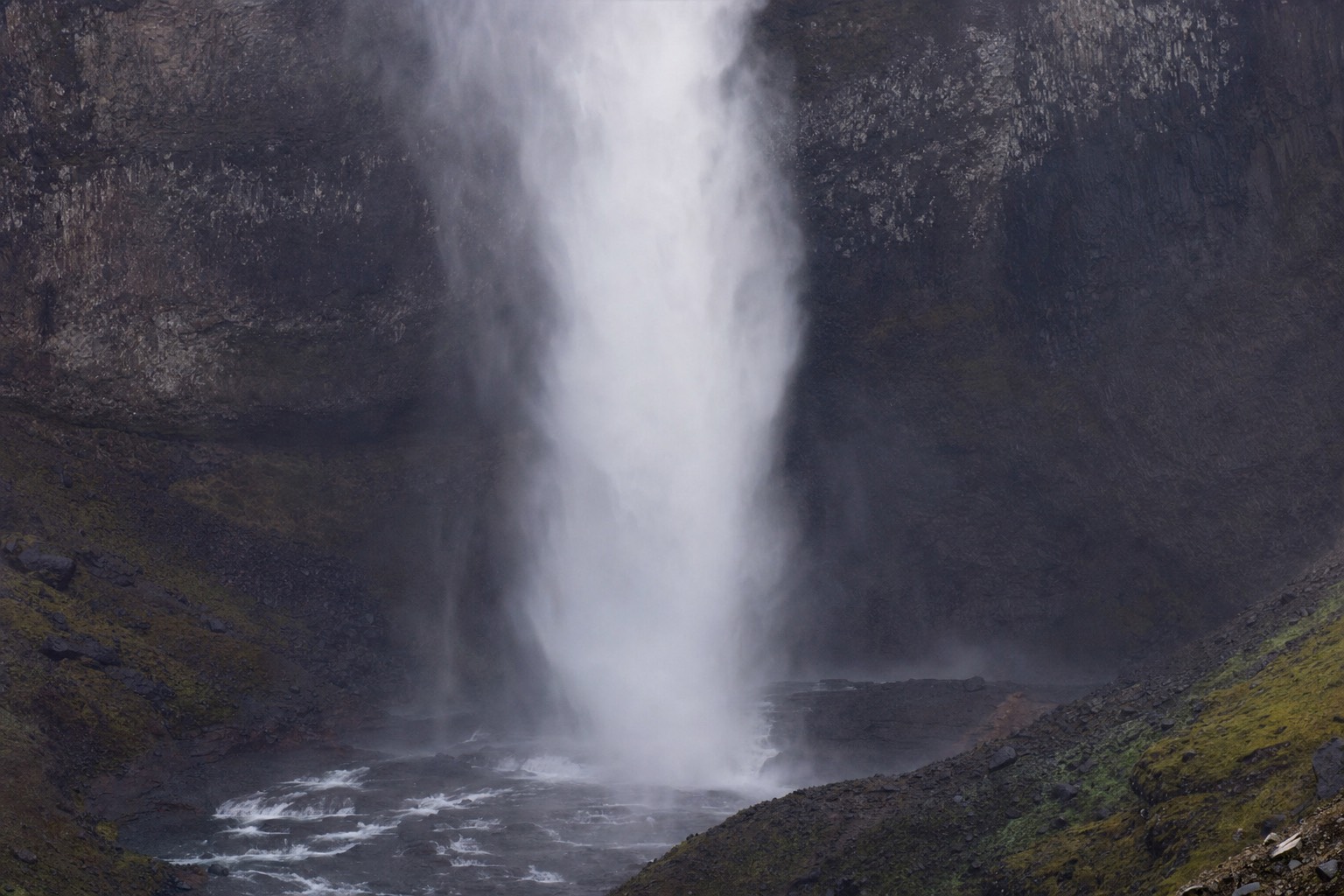
On a cold still morning the spray from the Horseshoe basin rises in a visible column hundreds of feet above the gorge, and it can be seen from a long way off. That is the single best natural indicator of what your ride will be like.
A tall vertical column means still air and heavy spray sitting in the bowl: an intense basin and a comfortable transit. A column bent flat downriver means wind, which means the spray is being carried up the gorge and you will be wet from earlier in the ride.
| What you see from the promenade | What the ride will be like |
|---|---|
| Tall vertical mist column | Still; intense at the turn, dry approach |
| Column leaning downriver | Windy; wet earlier and for longer |
| Little visible mist | Lower flow or dry air; a milder ride |
| Rainbow in the spray, afternoon | Sun angle is right; good photographs from land |
| Mist obscuring the crestline entirely | Very heavy spray; expect a total soaking |
Look at it before you queue. It costs nothing and it tells you whether to put the phone in a pouch or leave it in a pocket, which our photography post argues is the difference between forty white frames and a few keepers.
Why the boat feels different from the promenade on the same day
Because the two positions are sampling different parts of the same system. From Table Rock you are above the crestline, watching water leave. From the basin you are underneath watching it arrive, inside the bowl where the air is circulating.
That is why the sound changes character so abruptly when the boat turns, which our post on what the falls sound like covers, and why a day that looks calm from the railing can still deliver a total drenching from the water.
Does any of this change what you should book?
Not really, and that is a useful conclusion rather than a disappointing one. The variability is real but it operates within a range where the ride is always worth doing, and none of it is forecastable far enough ahead to plan around.
What it does change is what you carry and when you go. Ride the first sailings, look at the mist column before you queue, and put anything you care about in something sealed. Niagara Parks publishes the underlying figures and Maid of the Mist publishes the operating schedule, which are the two things genuinely worth checking before a trip.
Questions about conditions
Do the Niagara boats run in the rain?
Yes. Rain does not stop the boats and it barely changes the ride, since you are soaked by spray regardless. What does stop sailings is high wind and safety conditions, and both operators can cancel without notice.
Does the amount of water going over the falls change?
Yes. Flow varies with season, rising with spring snowmelt, and water is diverted upstream for hydroelectric generation by both countries, with more left over the falls during peak tourist hours.
Why do some people get wetter than others on the same boat?
Wind and position. Spray in the basin circulates rather than falls, so wind direction decides how early it reaches the boat and which side of the deck takes it. Where you stand matters more than what you wear.
What does the mist column tell you?
A tall vertical column means still air, so the transit is comfortable and the soaking concentrates at the turn. A column leaning downriver means wind, so spray reaches you earlier and for longer.
Is the ride better at high water?
More intense, certainly, with heavier spray and a louder basin. Whether that is better depends on what you want. The ride is worth doing across the whole range of conditions the boats operate in.
Choose your Niagara day
General editorial starting point; confirm dates, route and personal requirements.
USA boat, Cave & hotel pickup
Have a travel date in mind? Check this itinerary before arranging separate admissions. Maid of the Mist, Cave of the Winds and the Observation Tower in one guided American-side itinerary.
About 4 hours, plus pickup up to an hour before. Pickup in Niagara Falls, NY, not Buffalo or NYC. English; shared tour. Boat and Cave operations are seasonal; winter substitutes differ. Food is extra. Confirm access needs with the operator.
Choose a date to see Viator scheduled departures. Final availability and price are confirmed on Viator.
Choose only the details that matter. Unanswered fields keep this general guidance; a choice can rule out a package.
| USA boat, Cave & hotel pickup | Maid of the Mist, Cave of the Winds and the Observation Tower in one guided American-side itinerary. About 4 hours, plus pickup up to an hour before. Pickup in Niagara Falls, NY, not Buffalo or NYC. English; shared tour. Boat and Cave operations are seasonal; winter substitutes differ. Food is extra. Confirm access needs with the operator. |
|---|---|
| Canadian walking tour: boat, Journey & Skylon | Journey Behind the Falls, Skylon Tower and a seasonal Niagara City Cruises ride in one walking itinerary. About 3 hours 15 minutes plus check-in. Choose the Niagara Falls, Canada walking option. Meet inside Skylon Tower, 5200 Robinson Street, at the See Sight check-in. English. Guided portion ends at boat boarding; no return transfer. Winter boat replacement is Niagara Takes Flight, which excludes infants and children under 100 cm. Confirm exact seasonal itinerary and access needs. |
| Both sides with boat, Cave & Skylon | American-side boat and Cave stops plus Skylon Tower views in Canada. About 6 hours, plus pickup and border delays; reserve a full day. Niagara Falls ON/NY hotel pickup. English; shared tour. Appropriate entry documents for both countries required. Reconfirm with Over the Falls at least 24 hours ahead. Vehicles cannot accommodate occupied wheelchairs; assisted transfer and collapsible chairs need advance arrangement. Seasonal substitutions; food extra. |
Compare your own group totals
Use the same currency and the same party. Include admissions, transport, parking and taxes in the DIY total. Quotes are your inputs, not prices supplied here.
Enter both totals to compare the cost of the guided itinerary with your independent plan.